Review Article

RMMJ Rambam Maimonides Medical Journal Rambam Health Care Campus 2026; 17(4): e0024. ISSN: 2076-9172
Published online 2026 October 26. doi: 10.5041/RMMJ.10585

Neuropsychiatric Safety of GLP-1 Receptor Agonists and Tirzepatide in Adults with Type 2 Diabetes Mellitus or Obesity

Het Tushar Jani, M.D.,1* Helisse Levine, Ph.D.,1 Abhiraj Patel, M.D.,2,3 Richa Trivedi, M.B.B.S.,1 and Xitij Dineshkumar Patel, R.N.1

1Master of Public Health Program, Long Island University, Brooklyn, New York, USA
2Frank H. Netter MD School of Medicine, Quinnipiac University, North Haven, Connecticut, USA
3St. Vincent’s Medical Center, Hartford HealthCare, Bridgeport, Connecticut, USA

*To whom correspondence should be addressed. E-mail: hettusharjani@gmail.com | ORCID: 0009-0003-2352-0981

Abstract

Objective
Neuropsychiatric safety concerns about glucagon-like peptide-1 receptor agonists (GLP-1 RAs) and tirzepatide prompted regulatory review by the European Medicines Agency (EMA) and the US Food and Drug Administration (FDA). We synthesized the contemporary evidence in adults with type 2 diabetes mellitus or obesity, emphasizing study design, risk of bias, and the distinction between signal detection and causal inference.

Methods
The PubMed/MEDLINE, Embase, Web of Science, and Scopus databases were searched without a lower date limit through March 15, 2026 (English, adults ≥18 years). The review was reported with reference to the Preferred Reporting Items for Systematic Reviews and Meta-Analyses (PRISMA) 2020, and the PRISMA-S and PRISMA-Harms extensions. Evidence was grouped into prespecified categories: randomized syntheses, comparative observational studies and target-trial emulations, outlier non-active-comparator studies, pharmacovigilance analyses, and regulatory reviews. Risk of bias was appraised with the Cochrane Risk of Bias 2 tool and with Risk of Bias in Non-randomised Studies of Interventions; certainty was summarized using Grading of Recommendations Assessment, Development and Evaluation.

Results
Twenty studies and two regulatory reviews met the inclusion criteria. Randomized evidence, including two large 2025 meta-analyses and post hoc pooled analyses of semaglutide and tirzepatide, showed no increased risk of suicidality, depression, or anxiety, though psychiatric exclusion criteria limited generalizability. Active-comparator cohorts from the United States, Scandinavia, and the United Kingdom likewise showed no clear increase after confounding control. Passive-comparator and disproportionality analyses generated signals but could not separate drug effects from baseline psychiatric risk, obesity-related distress, or reporting bias. The EMA and FDA conclusions do not support a causal class-wide association between GLP-1 RAs and suicidal ideation or behavior.

Conclusions
Evidence does not support a clinically meaningful increase in neuropsychiatric harm with GLP-1 RAs or tirzepatide in the populations studied. Surveillance remains warranted for patients with substantial psychiatric morbidity, for obesity-only populations, and for long-term rare outcomes.

Keywords: Depression, glucagon-like peptide-1 receptor agonists, obesity, suicidal ideation, tirzepatide, type 2 diabetes mellitus

INTRODUCTION

Glucagon-like peptide-1 receptor agonists (GLP-1 RAs) and tirzepatide, a dual glucose-dependent insulinotropic polypeptide/GLP-1 RA, are now widely used to treat type 2 diabetes mellitus (T2DM) and obesity because of their glycemic, weight, and cardiometabolic benefits.1 Regulatory concern about suicidality emerged in 2023 after spontaneous reports were published involving semaglutide- and liraglutide-containing products,2,3 prompting parallel reviews by the European Medicines Agency (EMA)4 and the US Food and Drug Administration (FDA).5

The central nervous system distribution of GLP-1 receptors and the known interactions of incretin signaling with stress, reward, eating behavior, inflammation, and cognition make neuropsychiatric safety concerns biologically plausible enough to warrant formal review,1,6 but these mechanistic considerations do not establish causality. Mechanistic studies have additionally implicated GLP-1 signaling in mood-relevant pathways, including possible antidepressant-like and neuroprotective effects mediated through synaptic and neuroinflammatory mechanisms. 7,8

The literature is now large enough that study design matters more than headline direction. Rare-event randomized controlled trial (RCT) syntheses, active-comparator cohort studies, passive-comparator electronic health record studies, and pharmacovigilance analyses answer different questions and carry different bias structures. The present review reorganizes findings by evidence type and prioritizes original trial-based meta-analyses, comparative observational studies, and official regulatory appraisals.

METHODS

Protocol and Reporting
This review was reported with reference to the Preferred Reporting Items for Systematic Reviews and Meta-Analyses (PRISMA) 2020 statement and the PRISMA-S (search strategy) and PRISMA-Harms extensions.9–11 A review protocol was drafted before screening began but was not prospectively registered in PROSPERO. The review question was refined as the EMA and FDA regulatory reviews were published during the search period; consequently, registration was not completed before screening began. The protocol, eligibility criteria, and search strategy were finalized before full-text screening. The protocol, search strategy, and screening logs are available from the corresponding author on reasonable request.

Search Strategy
The PubMed/MEDLINE, Embase, Web of Science, and Scopus databases were systematically searched from inception (i.e. without a lower date limit) through March 15, 2026. Search strategies combined controlled vocabulary (e.g. Medical Subject Headings) and free-text terms for GLP-1 RAs and tirzepatide (exenatide, liraglutide, lixisenatide, dulaglutide, semaglutide, albiglutide, tirzepatide) with neuropsychiatric outcomes (depression, anxiety, suicide, suicidal ideation, self-harm, mood disorders, eating disorders, psychiatric adverse events). The following limits were applied: English language, human subjects, and adults (≥18 years). No restrictions were placed on study design. Reference lists of included studies and relevant systematic reviews were also screened; no additional eligible records were identified. The complete database-specific search strings are provided in Supplement A.

Eligibility Criteria
Studies were included if they met all of the following criteria:
  • Adult (≥18 years) human populations with T2DM, overweight, or obesity;
  • Exposure to a GLP-1 RA (exenatide, liraglutide, lixisenatide, dulaglutide, semaglutide, albiglutide) or tirzepatide;
  • Reported neuropsychiatric outcomes including death by suicide, suicidal ideation, suicide attempts, self-harm, depression, anxiety, mood disorders, eating disorders, or other psychiatric adverse events;
  • Study designs including meta-analyses and pooled analyses of RCTs, cohort studies, case-control studies, target-trial emulations, case-time-control studies, post-marketing surveillance, pharmacovigilance analyses, and official regulatory reviews; individual RCTs not already synthesized in a meta-analysis or pooled analysis were not separately included, as the relevant trial-level evidence has already been incorporated into recent meta-analyses;
  • Published in English in a peer-reviewed journal or as a formal regulatory communication.

Studies were excluded if they were conference abstracts, editorials or opinion pieces, animal-only studies, narrative reviews without primary data extraction, pediatric or adolescent-only populations, or did not report relevant neuropsychiatric outcomes.

Study Selection and Data Extraction
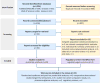
All records identified through database searches were exported to Rayyan, a systematic review screening platform,12 for duplicate removal and screening. Titles and abstracts were independently screened by two reviewers (R.T. and X.D.P.) against predefined eligibility criteria, followed by independent full-text review by the same two reviewers. Discrepancies at either stage were resolved by discussion or, when not resolved by discussion, by consultation with a third reviewer (H.T.J.). Reasons for full-text exclusion were documented. Data were extracted in duplicate by R.T. and X.D.P. using a standardized form covering study design, country, population characteristics, exposure, comparator, neuropsychiatric outcomes, effect estimates, follow-up, and risk-of-bias considerations, with verification by H.T.J. The selection process is presented in Figure 1.
Figure 1Figure 1
PRISMA 2020 Flow Diagram of the Identification, Screening, Eligibility Assessment, and Inclusion of Evidence Sources on the Neuropsychiatric Safety of GLP-1 Receptor Agonists and Tirzepatide.

Risk of Bias and Certainty Assessment
Randomized controlled trials and post hoc trial analyses were appraised with the Cochrane Risk of Bias 2 tool;13 comparative observational studies, including target-trial emulations and case-time-control designs, were appraised with Risk of Bias in Non-randomised Studies of Interventions.14 Pharmacovigilance and disproportionality analyses were not formally scored using standardized tools because of the inherent limitations of spontaneous reporting systems (no denominator data, reporting bias, notoriety effects, confounding by indication, and inability to estimate incidence); these studies were qualitatively appraised and treated as signal-generating rather than causal. Trial-based meta-analyses were not re-appraised with the Cochrane Risk of Bias 2 tool, because they are syntheses of individual trials rather than primary randomized controlled trials; for these, risk of bias as judged within each source synthesis was considered alongside the certainty assessment. Per-study risk-of-bias judgments are reported in Supplement B. Certainty of evidence for the principal conclusions was summarized using Grading of Recommendations Assessment, Development and Evaluation (GRADE).15

Synthesis
Evidence was grouped into five prespecified categories: (1) meta-analyses and pooled analyses of RCTs; (2) comparative observational studies and target-trial emulations, comprising active-comparator cohorts, two broad non-active-comparator cohorts, and one self-controlled case-time-control analysis; (3) outlier non-active-comparator observational studies; (4) pharmacovigilance/disproportionality analyses; and (5) regulatory reviews. Because harm ascertainment, comparator structure, follow-up, and confounding control differed fundamentally across designs, no single pooled estimate was produced spanning RCTs, observational cohorts, and pharmacovigilance studies; this choice follows current methodological guidance for harms reviews.11

RESULTS

Study Selection
A total of 1,224 records were identified through database searches. Following duplicate removal and screening, 20 studies met the inclusion criteria. In addition, 2 formal regulatory reviews were identified from regulatory agency sources, giving 22 evidence sources in total (Figure 1).4,5 The characteristics and main findings of the included studies and regulatory reviews are summarized in Table 1.
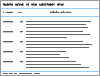
Table 1Table 1
Characteristics and Main Findings of Included Studies and Regulatory Reviews.

Meta-analyses and Pooled Analyses of Randomized Controlled Trials
The randomized evidence base was consistently reassuring. O’Neil and colleagues pooled phase 2 and 3a liraglutide weight-management trials from the multinational SCALE trial program.16 Participants were adults with obesity or overweight (body mass index ≥27 kg/m2 with weight-related comorbidities). Depression and anxiety event rates were low and similar between groups. A small numerical imbalance in spontaneously reported suicidal ideation or behavior did not persist in prospective assessments using the Columbia Suicide Severity Rating Scale (C-SSRS) and Patient Health Questionnaire-9 (PHQ-9).16

In an RCT meta-analysis by Silverii and colleagues, 31 trials involving 84,713 participants were included: 22 trials involved participants with T2DM, and 9 involved participants with obesity. Glucagon-like peptide-1 receptor agonists were not associated with an increased risk of psychiatric disorders (odds ratio [OR] 0.97), suicidal behavior (OR 0.86), depression, or anxiety compared with placebo or active comparators.17 In a larger placebo-controlled synthesis by Pierret and colleagues, 80 RCTs involving 107,860 participants were included. The trials enrolled adults with overweight or obesity and/or T2DM across sites in North America, Europe, and Asia. No increase in serious or non-serious psychiatric adverse events was observed, while mental and physical health-related quality of life and eating-related outcomes modestly favored GLP-1 RA therapy.18 Ebrahimi and colleagues conducted a meta-analysis of 27 placebo-controlled RCTs of at least 6 months’ duration in adults with diabetes or obesity. The analysis included 32,354 GLP-1 RA-treated and 27,042 placebo-treated participants from multinational trial sites. Suicide and self-harm events were very rare, with weighted incidence rates of 0.047 and 0.042 per 100 person-years in the GLP-1 RA and placebo groups, respectively. There was no significant difference between groups (risk ratio 0.76; 95% CI 0.48–1.21).19 The three syntheses differed mainly in scope and eligibility criteria rather than in overall conclusions. Silverii and colleagues restricted their analysis to trials with dedicated psychiatric-outcome reporting.17 Pierret and colleagues included the broadest range of psychiatric, cognitive, and quality-of-life outcomes, regardless of trial duration,18 whereas Ebrahimi and colleagues focused specifically on suicide and self-harm in trials of at least 6 months.19 The different numbers of trials and participants therefore reflect differing eligibility criteria applied to a substantially overlapping body of published randomized controlled trials.

Drug-specific trial analyses were consistent with the broader randomized evidence. In the analyses of STEP 1, 2, 3, and 5 trials, Wadden and colleagues evaluated semaglutide 2.4 mg in adults with overweight or obesity at multicenter international trial sites.20 Participants in STEP 2 also had T2DM. Semaglutide was not associated with increased suicidal ideation or behavior compared with placebo. The estimated treatment difference in PHQ-9 score modestly favored semaglutide (−0.56), and shifts toward more severe depressive symptom categories were less common with active treatment.20 In post hoc analyses of SURMOUNT-1, -2, and -3, tirzepatide was evaluated in adults with overweight or obesity, with and without T2DM, at multinational trial sites; SURMOUNT-2 enrolled participants with T2DM. Tirzepatide was not associated with a higher risk of depression or suicidality in adults without major baseline psychopathology. Suicidal ideation occurred in 0.6% of both tirzepatide-treated and placebo-treated participants, and depressive symptom scores again modestly favored active treatment (PHQ-9 difference −0.6).21 The principal limitation across this RCT evidence is limited external validity. Major psychiatric illness, recent suicidality, and severe depressive syndromes were often exclusion criteria, limiting the applicability of these findings to patients with these conditions.

Comparative Observational Studies and Target-trial Emulations
Real-world evidence using an active comparator—that is, drug-versus-drug comparisons designed to reduce confounding by indication—also generally showed no clear increase in risk after adjustment for confounding. In a US Medicare target-trial emulation of older adults with T2DM, Tang and colleagues reported no increased risk of suicidal ideation or behaviors for GLP-1 RA users compared with sodium-glucose co-transporter 2 inhibitor (SGLT2i) or dipeptidyl peptidase-4 inhibitor (DPP-4i) users. The corresponding hazard ratios were 1.07 and 0.94, respectively, with small absolute rate differences.22

In the Scandinavian register-based active-comparator new-user study by Ueda and colleagues, conducted in Sweden and Denmark among adults with T2DM, GLP-1 RA use was not associated with higher suicide death risk than SGLT2i use. Weighted incidence rates were 0.23 versus 0.18 per 1,000 person-years, and the hazard ratio was 1.25 (95% CI 0.83–1.88).23 In the United Kingdom Clinical Practice Research Datalink (CPRD) study by Shapiro and colleagues, conducted in adults with T2DM, crude risk estimates were higher than those for DPP-4i or SGLT2i comparators but attenuated to the null after adjustment for confounding (adjusted hazard ratio [HR] 1.02 versus DPP-4i; 0.91 versus SGLT2i). These findings highlight the importance of comparator choice and baseline psychiatric burden.24

Findings for depression varied depending on which comparator drug was used, illustrating that comparator choice can affect the observed direction of effect even within the same source population. In older US Medicare beneficiaries with T2DM, Tang and colleagues found no significant increase in incident depression versus SGLT2i (HR 1.07), while a modestly lower risk was observed versus DPP-4i (HR 0.90).25 This pattern does not support a class-wide depressogenic effect. De Giorgi and colleagues used the US TriNetX electronic health record network to compare propensity-matched adults with T2DM receiving semaglutide with those receiving sitagliptin, empagliflozin, and glipizide. They likewise found no increased 12-month risk of adverse psychiatric outcomes. They also reported lower risks for selected cognitive outcomes and nicotine- or tobacco-use disorders, although these potentially beneficial associations remain hypothesis-generating.26

Additional observational studies broadly fit that pattern. Wang and colleagues, using the US TriNetX network, found lower observed suicidal ideation risk with semaglutide than with non-GLP-1 comparators in obesity and diabetes cohorts, but the broad non-active-comparator structure makes these estimates more susceptible to residual confounding.27 Gamble and colleagues used the CPRD to study 501 patients with T2DM who initiated GLP-1 RA treatment, compared with patients receiving other glucose-lowering therapies. They found no increased risk of depression or self-harm with incretin-based therapies in routine UK practice (HR 1.25, 95% CI 0.63–2.50), although the modest exposed-group sample size limited statistical precision.28

A French nationwide case-time-control analysis by Bezin and colleagues used the French national health data system (SNDS) to examine adult GLP-1 RA users, of whom 51% had obesity and 68% had a recent psychiatric history. The analysis showed no evidence of increased risk, with an adjusted case-time-control ratio below 1 overall. In this self-controlled, within-person design, each patient’s exposed and unexposed periods were compared, reducing confounding by fixed characteristics such as baseline psychiatric vulnerability or socioeconomic status. However, the design remains susceptible to time-varying confounding and reverse causation around treatment initiation and has limited ability to estimate absolute risk. These limitations are less pronounced, although not absent, in parallel-group active-comparator cohort studies.29 Tirzepatide-specific real-world evidence from Yu and colleagues, using the US TriNetX network, included 226,060 patients with overweight or obesity, 29% of whom had T2DM. Analysis of 16,321 propensity-matched pairs showed no increased suicide-related risk with tirzepatide; instead, the investigators observed a lower adjusted HR versus non-GLP-1 anti-obesity medications (adjusted HR 0.52; 95% CI 0.28–0.91).30

Outlier Observational Evidence
One observational study stood apart from the broader literature. Kornelius and colleagues, drawing on the US TriNetX network, reported sharply elevated risks of psychiatric disorders, depression, anxiety, and suicidal behavior among patients with obesity treated with liraglutide or semaglutide compared with non-users.31 Those effect sizes were materially larger than randomized evidence, active-comparator studies, and the eventual regulatory conclusions. Part of this signal is likely attributable to the elevated baseline psychiatric burden of the population studied rather than to a drug effect: adults with obesity and T2DM have poorer psychiatric outcomes at baseline than those without these conditions,18 and a passive, non-active-comparator design cannot separate that elevated baseline risk from any effect of treatment itself. Methodologically, this study is best viewed as an outlier because of its passive-comparator structure, vulnerability to residual confounding by indication, uncertainty about psychiatric outcome ascertainment, and the possibility that obesity severity, treatment selection, and healthcare-contact intensity influenced both exposure and event detection. Accordingly, this study was not given decisive weight in the synthesis of the evidence.

Pharmacovigilance Evidence
Signal-detection studies yielded mixed results and require careful framing. The following three pharmacovigilance databases differ in geographic scope: the European Union adverse event reporting database, the FDA Adverse Event Reporting System (FAERS), and the World Health Organization global pharmacovigilance database; the signals detected in these databases reflect different reporting populations and practices. Tobaiqy and Elkout found 372 psychiatric adverse-event reports among 31,444 European Union adverse event reporting database reports for semaglutide, liraglutide, and tirzepatide, with depression, anxiety, and suicidal ideation among the most commonly reported psychiatric events.32 Chen and colleagues found 8,240 psychiatric adverse-event reports among 181,238 FAERS reports related to GLP-1 RAs and detected multiple psychiatric signals, with a median onset of 31 days.33 Schoretsanitis and colleagues, using the World Health Organization global pharmacovigilance database, detected a semaglutide-associated disproportionality signal for suicidal ideation (reporting OR [ROR] 1.45) that strengthened in subgroups with co-reported antidepressants (ROR 4.45) or benzodiazepines (ROR 4.07).34 Lu and colleagues similarly identified broader neuropsychiatric signals in FAERS, including a suicide-related signal in semaglutide reports from weight-loss populations (ROR 2.55).35 Across all spontaneous-reporting analyses, the absence of denominator data precludes incidence estimation and prevents causal attribution; these signals are therefore hypothesis-generating only.

Regulatory Evidence
Current regulatory assessments do not support a causal class-wide association. In April 2024, the EMA Pharmacovigilance Risk Assessment Committee concluded that available evidence did not support a causal association between GLP-1 RAs and suicidal or self-injurious thoughts and actions.4 In January 2026, the FDA went further, requesting removal of suicidal ideation/behavior warning language from obesity-treatment GLP-1 RA labels after a class-wide review that included 91 placebo-controlled trials with 107,910 patients and a Sentinel cohort of 2,243,138 GLP-1 RA and SGLT2i users, neither of which showed increased risk.5 An expert commentary in the BMJ contextualized this evidence shift, emphasizing that high-quality observational and randomized evidence converge on reassurance even as continued surveillance remains appropriate.36 Risk-of-bias and certainty appraisals by evidence group are summarized in Table 2. The GRADE certainty ratings for the principal outcomes are summarized in Table 3.
Table 2Table 2
Risk-of-Bias, Certainty, and Decision-Relevance Appraisal by Evidence Group.
Table 3Table 3
GRADE Summary of Findings.

DISCUSSION

Main Findings
The central conclusion of this review is that the apparent conflict in the literature is largely methodological rather than biological. Randomized evidence and active-comparator cohort studies are directionally concordant and mostly null;18,19,22–25 passive-comparator or broad electronic health record studies and pharmacovigilance analyses generate more concerning signals.31,34,35 However, those designs are also more vulnerable to confounding by indication (patients started on treatment because they already carry higher baseline metabolic or psychiatric risk), obesity-related psychosocial distress (weight stigma, body image concerns, and disordered eating that can pre-date and accompany treatment), differential healthcare contact (more frequent clinical encounters among treated patients, increasing the opportunity for a psychiatric diagnosis or adverse event to be captured), stimulated reporting (heightened clinician and patient awareness following the 2023 regulatory alerts, which can inflate spontaneous-report counts independent of any change in true incidence), and comparator mismatch (comparator drugs or non-user groups with a different underlying psychiatric risk profile than GLP-1 RA users). This gradient in study design, which runs from randomized trials and active-comparator cohorts through broad electronic health record analyses to spontaneous-reporting data, best explains why studies with the strongest control of baseline differences tend to be the most reassuring.

After the search closing date, a large Danish nationwide cohort and self-controlled case series study by Stanislaus and colleagues likewise reported no increased risk of suicide or suicide attempt with GLP-1 RA exposure, providing additional contextual support for the principal conclusion.37

Generalizability
Randomized controlled trials almost universally excluded individuals with recent suicidality, severe depressive disorder, or unstable psychiatric illness, as serious mental illness is a standard exclusion criterion across the large phase 2/3 obesity and T2DM trial programs.20,21 The current literature therefore supports safety primarily in broader routine diabetes and obesity populations, not necessarily in patients with high baseline psychiatric vulnerability. That limitation is clinically important because obesity, diabetes, and many psychiatric disorders co-occur, and because GLP-1 RAs are increasingly being studied in severe mental illness, eating disorders, reward-related disorders, and substance use disorders. Dedicated evidence in psychiatric populations remains limited but is accumulating: a comprehensive analysis by De Giorgi and colleagues of 278 preclinical/mechanistic and 96 clinical studies did not identify a consistent signal of psychiatric worsening across mood, anxiety, psychotic, substance-use, and eating-disorder populations exposed to GLP-1 RAs, and highlighted several small studies suggesting possible benefit, while cautioning that most of this clinical evidence comes from small, short-duration, non-blinded studies that cannot exclude modest harm.7 A pilot randomized, double-blind, placebo-controlled trial of liraglutide 3.0 mg in people with schizophrenia, schizoaffective disorder, or first-episode psychosis likewise did not report an excess of psychiatric adverse events, although the trial was small and not powered to detect rare neuropsychiatric harms.38

Tirzepatide
Evidence specific to tirzepatide remains limited but does not indicate increased neuropsychiatric risk. Real-world data suggest a lower risk of suicidal ideation or attempts compared with other anti-obesity medications,30 and clinical trial analyses from the SURMOUNT program demonstrate no increase in depression or suicidality.21 Follow-up durations remain relatively short, and existing studies may be underpowered to detect rare events. Continued long-term evaluation is warranted.

Mechanistic Considerations
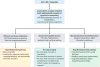
Mechanistically, the literature remains compatible with either null or beneficial psychiatric effects rather than direct harm. Central GLP-1 signaling originates from preproglucagon neurons in the caudal hindbrain, with projections to hypothalamic, brainstem, and limbic regions, and influences appetite, reward, neuroinflammation, stress, and cognition.1,6 A schematic of these proposed pathways is presented in Figure 2. There is emerging interest in possible antidepressant, cognitive, and addiction-related benefits.7,8,39,40 Although mechanistic hypotheses remain insufficient to justify therapeutic psychiatric claims, they help explain why improved mood and quality of life, restrained eating, and reduced emotional eating recur across RCTs instead of a coherent signal of deterioration.18,41
Figure 2Figure 2
Proposed Mechanisms Linking GLP-1 Receptor Agonists to Neuropsychiatric Outcomes.

Clinical Implications
Current evidence supports the use of GLP-1 RAs and tirzepatide without clear evidence of increased neuropsychiatric risk in the populations studied, although caution may be warranted in individuals with pre-existing psychiatric conditions or those receiving concomitant psychotropic medications, where closer monitoring may be appropriate.34,38 These findings are particularly relevant given the FDA’s January 2026 request to remove suicidal ideation/behavior label warnings,5 the EMA’s prior April 2024 conclusion that available data do not support a causal association,4 and the rapidly expanding use of these agents for both diabetes and obesity. These results may help inform clinical decision-making, support risk–benefit discussions with patients, and provide context for interpreting safety signals emerging from pharmacovigilance systems. The overall evidence and corresponding clinical judgments are summarized in Table 4.
Table 4Table 4
Summary of Evidence and Clinical Judgments.

Limitations
This review has several limitations. The evidence base was heterogeneous with respect to study design, populations, and outcome definitions. Observational studies are subject to residual confounding, while pharmacovigilance data are limited by reporting bias and the absence of denominator data. Follow-up durations in clinical trials were often relatively short, limiting the ability to detect rare or long-term neuropsychiatric outcomes. Evidence specific to tirzepatide remains limited. A review protocol was drafted before screening began but was not prospectively registered in PROSPERO, which we acknowledge as a methodological limitation. Finally, language restriction to English may have introduced a small risk of selection bias. Further long-term observational studies in psychiatrically vulnerable populations are needed to better characterize rare or delayed adverse events.

CONCLUSIONS

Current evidence from RCTs, active-comparator observational studies, pharmacovigilance analyses, and regulatory reviews does not support an increased risk of depression, anxiety, or suicidality with GLP-1 RAs or tirzepatide in adults with T2DM or obesity, particularly in those without substantial pre-existing psychiatric comorbidities. The most credible evidence comes from randomized syntheses, recent active-comparator cohort studies, and regulatory reviews, all of which are broadly reassuring. Pharmacovigilance signals remain valuable for surveillance but should be interpreted as hypothesis-generating rather than causal. Future research should focus on patients with substantial psychiatric comorbidity, obesity-only populations, tirzepatide-specific long-term outcomes, and late rare-event surveillance.

Supplementary Information

Abbreviations

AE adverse event
CI confidence interval
CPRD Clinical Practice Research Datalink
DPP-4i dipeptidyl peptidase-4 inhibitor
EMA European Medicines Agency
FAERS FDA Adverse Event Reporting System
FDA US Food and Drug Administration
GLP-1 RA(s) glucagon-like peptide-1 receptor agonist(s)
GRADE Grading of Recommendations Assessment, Development and Evaluation
HR hazard ratio
OR odds ratio
PHQ-9 Patient Health Questionnaire-9
PRISMA Preferred Reporting Items for Systematic Reviews and Meta-Analyses
RCT(s) randomized controlled trial(s)
ROR reporting odds ratio
RR risk ratio
SGLT2i sodium-glucose co-transporter 2 inhibitor
T2DM type 2 diabetes mellitus
VigiBase World Health Organization global pharmacovigilance database

Footnotes

Conflict of interest: No potential conflict of interest relevant to this article was reported.
Ethics approval: This systematic review used previously published data and did not involve human participants or animal subjects; ethics approval was therefore not required.
Author contributions: HTJ conducted the literature search, manuscript editing, data verification, and critical review of the final draft, and drafted the manuscript. HL provided supervisory oversight, contributed to interpretation, and critically revised the manuscript. AP contributed to clinical interpretation of the included evidence, data verification, and critical revision of the manuscript for important intellectual content. RT and XDP contributed to literature review support, screening, data extraction, and risk-of-bias assessment. All authors reviewed and approved the final manuscript for submission and agree to be accountable for all aspects of the work.
Use of generative AI: Generative AI tools were used to assist with formatting, language editing, and reference verification under direct author supervision; all scientific content, data interpretation, and conclusions are the authors’ own. The authors take full responsibility for the accuracy and integrity of the manuscript.

Data availability

All data analyzed in this review are derived from previously published studies cited in the references. Search exports and screening logs are available from the corresponding author on reasonable request.

REFERENCES
1.
Drucker DJ. Mechanisms of action and therapeutic application of glucagon-like peptide-1. Cell Metab 2018;27:740–56. https://doi.org/10.1016/j.cmet.2018.03.001.
2.
European Medicines Agency. EMA statement on ongoing review of GLP-1 receptor agonists. Amsterdam: European Medicines Agency; 11 July 2023. Available at: https://www.ema.europa.eu/en/news/ema-statement-ongoing-review-glp-1-receptor-agonists (accessed September 24, 2026).
3.
Li JR, Cao J, Wei J, Geng W. Case report: Semaglutide-associated depression: a report of two cases. Front Psychiatry 2023;14:1238353. https://doi.org/10.3389/fpsyt.2023.1238353.
4.
European Medicines Agency. Meeting highlights from the Pharmacovigilance Risk Assessment Committee (PRAC) 8–11 April 2024. Amsterdam: European Medicines Agency; 2024. Available at: https://www.ema.europa.eu/en/news/meeting-highlights-pharmacovigilance-risk-assessment-committee-prac-8-11-april-2024 (accessed May 1, 2026).
5.
U.S. Food and Drug Administration. FDA requests removal of suicidal behavior and ideation warning from glucagon-like peptide-1 receptor agonist (GLP-1 RA) medications. Drug Safety Communication. Silver Spring, MD: FDA; January 13, 2026. Available at: https://www.fda.gov/drugs/drug-safety-communications/fda-requests-removal-suicidal-behavior-and-ideation-warning-glucagon-peptide-1-receptor-agonist-glp (accessed May 1, 2026).
6.
Holt MK, Trapp S. The physiological role of the brain GLP-1 system in stress. Cogent Biol 2016;2:1229086. https://doi.org/10.1080/23312025.2016.1229086.
7.
De Giorgi R, Ghenciulescu A, Dziwisz O, et al. An analysis on the role of glucagon-like peptide-1 receptor agonists in cognitive and mental health disorders. Nat Ment Health 2025;3:354–73. https://doi.org/10.1038/s44220-025-00390-x.
8.
Detka J, Głombik K. Insights into a possible role of glucagon-like peptide-1 receptor agonists in the treatment of depression. Pharmacol Rep 2021;73:1020–32. https://doi.org/10.1007/s43440-021-00274-8.
9.
Page MJ, McKenzie JE, Bossuyt PM, et al. The PRISMA 2020 statement: an updated guideline for reporting systematic reviews. BMJ 2021;372:n71. https://doi.org/10.1136/bmj.n71.
10.
Rethlefsen ML, Kirtley S, Waffenschmidt S, et al. PRISMA-S: an extension to the PRISMA statement for reporting literature searches in systematic reviews. Syst Rev 2021;10:39. https://doi.org/10.1186/s13643-020-01542-z.
11.
Zorzela L, Loke YK, Ioannidis JP, et al. PRISMA harms checklist: improving harms reporting in systematic reviews. BMJ 2016;352:i157. https://doi.org/10.1136/bmj.i157.
12.
Ouzzani M, Hammady H, Fedorowicz Z, Elmagarmid A. Rayyan—a web and mobile app for systematic reviews. Syst Rev 2016;5:210. https://doi.org/10.1186/s13643-016-0384-4.
13.
Sterne JAC, Savović J, Page MJ, et al. RoB 2: a revised tool for assessing risk of bias in randomised trials. BMJ 2019;366:l4898. https://doi.org/10.1136/bmj.l4898.
14.
Sterne JA, Hernán MA, Reeves BC, et al. ROBINS-I: a tool for assessing risk of bias in non-randomised studies of interventions. BMJ 2016;355:i4919. https://doi.org/10.1136/bmj.i4919.
15.
Guyatt GH, Oxman AD, Vist GE, et al. GRADE: an emerging consensus on rating quality of evidence and strength of recommendations. BMJ 2008;336:924–6. https://doi.org/10.1136/bmj.39489.470347.ad.
16.
O’Neil PM, Aroda VR, Astrup A, et al. Neuropsychiatric safety with liraglutide 3.0 mg for weight management: results from randomized controlled phase 2 and 3a trials. Diabetes Obes Metab 2017;19:1529–36. https://doi.org/10.1111/dom.12963.
17.
Silverii GA, Marinelli C, Mannucci E, Rotella F. Glucagon-like peptide-1 receptor agonists and mental health: a meta-analysis of randomized controlled trials. Diabetes Obes Metab 2024;26:2505–8. https://doi.org/10.1111/dom.15538.
18.
Pierret ACS, Mizuno Y, Saunders P, et al. Glucagon-like peptide 1 receptor agonists and mental health: a systematic review and meta-analysis. JAMA Psychiatry 2025;82:643–53. https://doi.org/10.1001/jamapsychiatry.2025.0679.
19.
Ebrahimi P, Batlle JC, Ayati A, et al. Suicide and self-harm events with GLP-1 receptor agonists in adults with diabetes or obesity: a systematic review and meta-analysis. JAMA Psychiatry 2025;82:888–95. https://doi.org/10.1001/jamapsychiatry.2025.0091.
20.
Wadden TA, Brown GK, Egebjerg C, et al. Psychiatric safety of semaglutide for weight management in people without known major psychopathology: post hoc analysis of the STEP 1, 2, 3, and 5 trials. JAMA Intern Med 2024;184:1290–300. https://doi.org/10.1001/jamainternmed.2024.4346.
21.
Wadden TA, Oquendo MA, Kushner RF, et al. Psychiatric safety of tirzepatide in people with obesity and no known major psychopathology: a post hoc analysis of SURMOUNT. Obesity (Silver Spring) 2026;34:565–78. https://doi.org/10.1002/oby.70122.
22.
Tang H, Lu Y, Donahoo WT, et al. Glucagon-like peptide-1 receptor agonists and risk for suicidal ideation and behaviors in U.S. older adults with type 2 diabetes: a target trial emulation study. Ann Intern Med 2024;177:1004–15. https://doi.org/10.7326/M24-0329.
23.
Ueda P, Söderling J, Wintzell V, et al. GLP-1 receptor agonist use and risk of suicide death. JAMA Intern Med 2024;184:1301–12. https://doi.org/10.1001/jamainternmed.2024.4369.
24.
Shapiro SB, Yin H, Yu OHY, Rej S, Suissa S, Azoulay L. Glucagon-like peptide-1 receptor agonists and risk of suicidality among patients with type 2 diabetes: active comparator, new user cohort study. BMJ 2025;388:e080679. https://doi.org/10.1136/bmj-2024-080679.
25.
Tang H, Lu Y, Donahoo WT, et al. Glucagon-like peptide-1 receptor agonists and risk for depression in older adults with type 2 diabetes: a target trial emulation study. Ann Intern Med 2025;178:315–26. https://doi.org/10.7326/ANNALS-24-01347.
26.
De Giorgi R, Koychev I, Adler AI, et al. 12-month neurological and psychiatric outcomes of semaglutide use for type 2 diabetes: a propensity-score matched cohort study. EClinicalMedicine 2024;74:102726. https://doi.org/10.1016/j.eclinm.2024.102726.
27.
Wang W, Volkow ND, Berger NA, Davis PB, Kaelber DC, Xu R. Association of semaglutide with risk of suicidal ideation in a real-world cohort. Nat Med 2024;30:168–76. https://doi.org/10.1038/s41591-023-02672-2.
28.
Gamble JM, Chibrikov E, Midodzi WK, Twells LK, Majumdar SR. Examining the risk of depression or self-harm associated with incretin-based therapies used to manage hyperglycaemia in patients with type 2 diabetes: a cohort study using the UK Clinical Practice Research Datalink. BMJ Open 2018;8: e023830. https://doi.org/10.1136/bmjopen-2018-023830.
29.
Bezin J, Bénard-Laribière A, Hucteau E, et al. Suicide and suicide attempt in users of GLP-1 receptor agonists: a nationwide case-time-control study. EClinicalMedicine 2025;80:103029. https://doi.org/10.1016/j.eclinm.2024.103029.
30.
Yu WS, Huang JY, Lo SC, Huang CN, Yang YS, Kornelius E. Association of tirzepatide and the risk of suicide in a real-world cohort. Front Psychiatry 2025; 16:1626103. https://doi.org/10.3389/fpsyt.2025.1626103.
31.
Kornelius E, Huang JY, Lo SC, Huang CN, Yang YS. The risk of depression, anxiety, and suicidal behavior in patients with obesity on glucagon like peptide-1 receptor agonist therapy. Sci Rep 2024;14:24433. https://doi.org/10.1038/s41598-024-75965-2.
32.
Tobaiqy M, Elkout H. Psychiatric adverse events associated with semaglutide, liraglutide and tirzepatide: a pharmacovigilance analysis of individual case safety reports submitted to the EudraVigilance database. Int J Clin Pharm 2024;46:488–95. https://doi.org/10.1007/s11096-023-01694-7.
33.
Chen W, Cai P, Zou W, Fu Z. Psychiatric adverse events associated with GLP-1 receptor agonists: a real-world pharmacovigilance study based on the FDA Adverse Event Reporting System database. Front Endocrinol (Lausanne) 2024;15:1330936. https://doi.org/10.3389/fendo.2024.1330936.
34.
Schoretsanitis G, Weiler S, Barbui C, Raschi E, Gastaldon C. Disproportionality analysis from World Health Organization data on semaglutide, liraglutide, and suicidality. JAMA Netw Open 2024;7:e2423385. https://doi.org/10.1001/jamanetworkopen.2024.23385.
35.
Lu W, Wang S, Tang H, Yuan T, Zuo W, Liu Y. Neuropsychiatric adverse events associated with glucagon-like peptide-1 receptor agonists: a pharmacovigilance analysis of the FDA Adverse Event Reporting System database. Eur Psychiatry 2025;68:e20. https://doi.org/10.1192/j.eurpsy.2024.1803.
36.
Ueda P, Pasternak B. GLP-1 receptor agonists and suicidality. BMJ 2025;388:r351. https://doi.org/10.1136/bmj.r351.
37.
Stanislaus C, Winther-Jensen M, Stanislaus S, Osler M, Coello K, Vinberg M. GLP-1 receptor agonists and risk of suicide or suicide attempts – a nationwide cohort and self-controlled case series study. Mol Psychiatry 2026;31:5316–22. https://doi.org/10.1038/s41380-026-03619-y.
38.
Whicher CA, Price HC, Phiri P, et al. The use of liraglutide 3.0 mg daily in the management of overweight and obesity in people with schizophrenia, schizoaffective disorder and first episode psychosis: results of a pilot randomized, double-blind, placebo-controlled trial. Diabetes Obes Metab 2021;23:1262–71. https://doi.org/10.1111/dom.14334.
39.
Cukierman-Yaffe T, Gerstein HC, Colhoun HM, et al. Effect of dulaglutide on cognitive impairment in type 2 diabetes: an exploratory analysis of the REWIND trial. Lancet Neurol 2020;19:582–90. https://doi.org/10.1016/S1474-4422(20)30173-3.
40.
Dai H, Radwan RM, Scheiffele GD, et al. GLP-1 receptor agonists and substance use disorders in older adults with type 2 diabetes: a target trial emulation. Obesity (Silver Spring) 2026;34(Suppl 2):88–100. https://doi.org/10.1002/oby.70024.
41.
Sa B, Maristany A, Subramaniam A, et al. Psychiatric effects of GLP-1 receptor agonists: a systematic review of emerging evidence. Diabetes Obes Metab 2026;28:50–9. https://doi.org/10.1111/dom.70198.