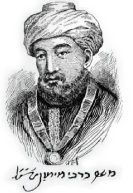
Despite a preoccupation in the medical literature with developing an effective approach for breaking bad news, the sources are based on personal opinion alone and only in some instances on qualitative research. Recognizing the gravity of this topic coupled with respect for the wisdom of the written and oral Jewish scriptures, this work is an attempt to delve into the diverse ancient writings to draw conclusions regarding a recommended methodology to guide and inform this task.
It is interesting to learn that most elements related to this topic have previously been raised in various forms in the scriptures. The issues range from where, when, and how the bearer of bad news should undertake this duty, to details such as the environment, the format, the speed, and depth of the details to be disclosed. The essence of this paper is to enrich the reader using both positive and negative examples found in the Jewish heritage. Adopting these principles will hopefully provide an effective method for performing this unpleasant obligation, with the goal of limiting harmful consequences as much as possible.
Head and neck cancers are the most common cancers in developing countries, especially in Southeast Asia. Head and neck cancers are more common in males compared to females. This is mainly attributed to tobacco, areca nut, alcohol, etc. Oral cancers are most common amongst all head and neck squamous cell cancers (HNSCC). HNSCC in the developing world differ from those in the Western world in terms of age, site of disease, etiology, and molecular biology. Poverty, illiteracy, advanced stage at presentation, lack of access to health care, and poor treatment infrastructure pose a major challenge in management of these cancers. The annual GDP (gross domestic product) spent on health care is very low in developing countries compared to the developed countries. Cancer treatment leads to a significant financial burden on the cancer patients and their families. Several health programs have been implemented to curb this rising burden of disease. The main aims of these health programs are to increase awareness among people regarding tobacco and to improve access to health care facilities, early diagnosis, treatment, and palliative care.
The “curative potential” in almost any clinical setting depends on a caregiver establishing and maintaining an empathic connection with patients so as to achieve “narrative competence” in discerning and acting in accord with their preferences and best interests. The “narrative medicine” model of shared “close reading of literature and reflective writing” among clinicians as a means of fostering a capacity for clinical empathy has gained validation with recent empirical studies demonstrating the enhancement of theory of mind (ToM), broadly conceived as empathy, in readers of literary fiction. Talmudic legends, like that of Rabbi Judah’s death, are under-appreciated, relevant sources of literary fiction for these efforts. The limitations of narrative medicine are readily counterbalanced by simultaneously practiced attention to traditional bioethical principles, including—especially—beneficence, non-maleficence, and autonomy.
Objective: This pilot study was designed to describe changes in spiritual well-being (SWB), spiritual coping, and quality of life (QOL) in patients with brain cancer or other neurodegenerative diseases participating in a chaplain-led spiritual life review interview and development of a spiritual legacy document (SLD).
Methods: Eligible participants were enrolled and completed baseline questionnaires. They were interviewed by a board-certified chaplain about spiritual influences, beliefs, practices, values, and spiritual struggles. An SLD was prepared for each participant, and one month follow-up questionnaires were completed. Two cases are summarized, and spiritual development themes are illustrated within a spiritual development framework.
Results: A total of 27 patients completed baseline questionnaires and the interview; 24 completed the SLD, and 15 completed the follow-up questionnaire. Increases in SWB, religious coping, and QOL were detected. The majority maintained the highest (best) scores of negative religious coping, demonstrating minimal spiritual struggle.
Conclusions: Despite the challenges of brain cancers and other neurodegenerative diseases, participants demonstrated improvements in SWB, positive religious coping, and QOL. Patient comments indicate that benefit is related to the opportunity to reflect on and integrate spiritual experiences and to preserve them for others. Research with a larger, more diverse sample is needed, as well as clinical applications for those too vulnerable to participate in longitudinal follow-up.
While the essence of nursing has long been whole person (body, mind, and spirit) and whole system-focused, in reality the contemporary practice of nursing in many settings around the globe has become increasingly fragmented and de-stabilized. Nursing shortages in many parts of the world are significant, and hierarchies and bureaucracies often remove nurses from the point of care, be that the bedside, home, or clinic, replacing them with less skilled workers and filling their time with documentation and other administrative tasks. Integrative nursing is a framework for providing whole person/whole system care that is relationship-based and person-centered and focuses on improving the health and wellbeing of caregivers as well as those they serve. It is aligned with what is being called the “triple aim” in the United States—an effort focused on improving the patient experience (quality and satisfaction), improving the health of populations, and reducing the cost of care. The principles of integrative nursing offer clear and specific guidance that can shape and impact patient care in all clinical settings.
Professionalism is a core competency of physicians. Clinical knowledge and skills (and their maintenance and improvement), good communication skills, and sound understanding of ethics constitutes the foundation of professionalism. Rising from this foundation are behaviors and attributes of professionalism: accountability, altruism, excellence, and humanism, the capstone of which is professionalism. Patients, medical societies, and accrediting organizations expect physicians to be professional. Furthermore, professionalism is associated with better clinical outcomes. Hence, medical learners and practicing physicians should be taught and assessed for professionalism. A number of methods can be used to teach professionalism (e.g. didactic lectures, web-based modules, role modeling, reflection, interactive methods, etc.). Because of the nature of professionalism, no single tool for assessing it among medical learners and practicing physicians exists. Instead, multiple assessment tools must be used (e.g. multi-source feedback using 360-degree reviews, patient feedback, critical incident reports, etc.). Data should be gathered continuously throughout an individual’s career. For the individual learner or practicing physician, data generated by these tools can be used to create a “professionalism portfolio,” the totality of which represents a picture of the individual’s professionalism. This portfolio in turn can be used for formative and summative feedback. Data from professionalism assessments can also be used for developing professionalism curricula and generating research hypotheses. Health care leaders should support teaching and assessing professionalism at all levels of learning and practice and promote learning environments and institutional cultures that are consistent with professionalism precepts.
Suicidal phenomena in the general hospital can take a variety of forms that can be parsed by taking into account whether or not the patient 1) intended to hasten death, and 2) included collaborators, including family and health care providers, in the decision to act. These two criteria can be used to distinguish entities as diverse as true suicide, non-compliance, euthanasia/physician-assisted suicide, and hospice/palliative care. Characterizing the nature of “suicide” events facilitates appropriate decision-making around management and disposition.
We currently face a myriad of grand global challenges in fields such as poverty, the environment, education, science, and medicine. However, our current means of dealing with such challenges has fallen short, and ingenious solutions are required to overcome the inherent resistance to progress toward ameliorating such difficulties. Here, we highlight the promises and challenges of international collaboration in achieving success toward these trials. We note prior successes in fields such as education, medicine, science, and environmental issues made to date, yet at the same time we do note deficiencies and shortcomings in these efforts. Hence, the notion of international collaboration should be strengthened and encouraged by governments, non-profit organizations, and others moving forward using creative means to bring talented teams together to tackle these challenges across the globe.
Combat trauma may affect servicemen from indigenous, traditional communities in ways that warrant special attention. The Bedouins, who enlist in the Israel Defense Forces (IDF) voluntarily, represent a unique, closed, collectivist cultural minority, potentially in a predicament in light of ongoing sociopolitical events. This paper summarizes findings and lessons learned from a community study of Bedouin IDF servicemen and their families residing in Israel’s Western Galilee. This is the only research endeavor to have addressed trauma exposure and posttraumatic reactions in this community. The sampling strategies and interview schedule were designed in consideration of participation barriers typical of hard-to-reach populations. Data collection followed an extended phase of liaising with key informants and building trust. Study limitations are discussed in terms of the challenges presented by this type of research. Interviews conducted with 317 men, 129 wives, and 67 mothers revealed high levels of trauma exposure and posttraumatic stress disorder (PTSD) in the men, and related distress in wives and mothers, but not in the children. The role of aggression in mediating the impact of PTSD and concepts such as shame, the loss of personal resources, and beliefs about retribution are highlighted as key issues for a culturally relevant understanding of traumatized indigenous communities.
The human body hosts rich and diverse microbial communities. Our microbiota affects the normal human physiology, and compositional changes might alter host homeostasis and, therefore, disease risk. The microbial community structure may sometimes occupy discrete configurations and under certain circumstances vary continuously. The ability to characterize accurately the ecology of human-associated microbial communities became possible by advances in deep sequencing and bioinformatics analyses.