Objectives: To study the correlation between the putative cancer stem cell (CSC) markers aldehyde dehydrogenase 1 (ALDH1), cluster of differentiation 44 (CD44), sex-determining region Y-box 2 (SOX2), and octamer-binding protein 4 (OCT4) and human papilloma virus (HPV) infection using p16, the surrogate marker of HPV in oral epithelial dysplasia (OED) and normal mucosa.
Methods: Five sections each from 40 histopathologically diagnosed cases of different grades of OED and 10 cases of normal oral mucosa without dysplasia were immunohistochemically stained with p16, ALDH1, CD44, SOX2, and OCT4, respectively.
Results: Expression of ALDH1 and SOX2 was significantly increased in OED cases, whereas CD44 and OCT4 expression was increased in normal mucosa. P16-positive OED cases showed upregulation of ALDH1 and OCT4 expression as compared to p16-negative cases, while CD44 and SOX2 expression was downregulated in p16-positive OED cases; however, the results were not statistically significant.
Conclusion: The present study indicated a suggestive link between p16 and cancer stem cell marker expression in HPV-associated OED, and that p16 has a significant role in CSC progression in OED. This is the first study to evaluate the expression of putative CSC markers in HPV-associated OED. However, low study numbers are a potential limiting factor in this study.
Objective: Diabetes mellitus (DM), characterized by chronic hyperglycemia, is attributed to relative insulin deficiency or resistance, or both. Studies have shown that yoga can modulate parameters of insulin resis¬tance. The present study explored the possible beneficial effects of integrated yoga therapy with reference to glycemic control and insulin resistance (IR) in individuals with diabetes maintained on standard oral medical care with yoga therapy, compared to those on standard oral medical care alone.
Methods: In this study, the subjects on yoga intervention comprised 35 type 2 diabetics, and an equal number of volunteers constituted the control group. Subjects ranged in age from 30 to 70 years, with hemoglobin A1c (HbA1c) test more than 7%, and were maintained on diabetic diet and oral hypoglycemic agents. Blood samples were drawn prior to and after 120 days of integrated yoga therapy intervention. Fasting blood glucose (FBG), post-prandial blood glucose (PPBG), HbA1c, insulin, and lipid profile were assessed in both the intervention and control groups.
Results: The intervention group revealed significant improvements in body mass index (BMI) (0.7 kg/m2 median decrease; P=0.001), FBG (20 mg/dL median decrease; P<0.001), PPBG (33 mg/dL median decrease; P<0.001), HbA1c (0.4% median decrease; P<0.001), homeostatic model assessment for insulin resistance (HOMA-IR) (1.2 median decrease; P<0.001), cholesterol (13 mg/dL median decrease, P=0.006), triacylglycerol (22 mg/dL median decrease; P=0.027), low-density lipo¬protein (6 mg/dL median decrease; P=0.004), and very-low-density lipoprotein levels (4 mg/dL median decrease; P=0.032). Increases in high-density lipoprotein after 120 days were not significant (6 mg/dL median increase; P=0.15). However, when compared to changes observed in patients in the control group, all these improvements proved to be significant.
Conclusion: Administration of integrated yoga therapy to individuals with diabetes leads to a significant improvement in glycemic control, insulin resistance, and key biochemical parameters.
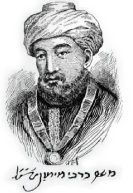
The Jews in Western Europe during the middle ages were often perceived as distinct from other people not only in their religion, but also by virtue of peculiar physical characteristics. Male Jews were circumcised, which made them physically distinct in the sexual realm. They were believed to have a flux of blood due to hemorrhoids that was thought to more abound in Jews because they consumed salty foods and gross undigested blood, and were melancholic. By the late medieval and early modern periods, the male menstru¬ation motif had become closely connected to the theory of the four humors and the balance between bodily fluids. Men in general were thought of as emitting extra heat, whereas women were considered to be phys¬ically cooler. While most men were generally able to reduce their heat naturally, there was a perception that womanish Jewish males were unable to do so, and thereby required “menstruation” (i.e. a literal discharge of blood) in order to achieve bodily equilibrium. The Jewish male image as having menses due to bleeding hemorrhoids was an anti-Semitic claim that had a religious explanation: Jews menstruated because they had been beaten in their hindquarters for having crucified Jesus Christ. This reflection is one of the first biological-racial motifs that were used by the Christians. Preceding this, anti-Semitic rationalizations were mostly religious. However, once these Christians mixed anti-Semitism with science, by emphasizing the metaphorical moral impurity of Jews, the subsequent belief that Jewish men “menstruated” developed—a belief that would have dire historical consequences for the Jewish communities of Europe until even the mid-twentieth century. This topic has direct applicability to current medical practice. The anti-Semitic perspec¬tive of Jewish male menstruation would never have taken hold if the medical community had not ignored the facts, and if the population in general had had a knowledge of the facts. In the same way, it is important for present-day scientists and healthcare professionals to understand thoroughly a topic and not to deliberately ignore the facts, which can affect professional and public thought, thereby leading to incorrect and at times immoral conclusions.
We have carefully read and evaluated the letter writ¬ten by Drs Mungmunpuntipantip and Wiwanitkit regarding our article published in the July issue of Rambam Maimonides Medical Journal.
Introduction: Catch-up growth (CUG) in small-for-gestational age (SGA) infants is essential for their overall development. Knowledge about the factors influencing CUG might be critical in their effective management. Hence this study was performed with the aim of identifying factors that may influence CUG in SGA infants.
Methods: Asymmetrical SGA infants born at term were included in the study as per defined criteria, and their demographic details were recorded. Anthropometric data, feeding practice details, and intercurrent illnesses data were collected on follow-up at 6 weeks, 6 months, and 12–15 months of age. Catch-up growth weight was defined as improvement of weight to the normal range of -2 to +2 weight-for-age Z score (WAZ). Analysis was carried out using SPSS Expand 17 software. Chi-square test was used to find association between variables. Logistic regression analysis was used to measure effect. A P value of less than 0.05 was taken as significant.
Results: Out of 324 SGA infants born at term, 119 completed 12–15-month follow-up, of which 69.7% had achieved CUG weight. Exclusive breastfeeding >4 months, continued breastfeeding until 12–15 months, and absence of diarrheal episodes were positively associated with CUG. Pregnancy-induced hypertension, gestational diabetes, and maternal overweight/obesity were negatively associated with CUG. Maternal education status, conception age, gravida status, mode of delivery, vitamin D and iron supplementation, and intercurrent respiratory infections were not associated with CUG. On multivariate analysis, continued breastfeeding and absence of diarrheal episodes were independent factors associated with CUG.
Conclusion: Breastfeeding practice, especially continued breastfeeding, and the absence of diarrheal illness are the key determinants for achieving CUG weight in term SGA infants, particularly in settings where resources are limited.
Despite the wide endorsement of shared decision making (SDM), its integration into clinical practice has been slow. In this paper, we suggest that this integration may be promoted by teaching SDM not only to residents and practicing physicians, but also to undergraduate medical students. The proposed teaching approach assumes that SDM requires effective doctor–patient communication; that such communication requires empathy; and that the doctor’s empathy requires an ability to identify the patient’s concerns. Therefore, we suggest shifting the focus of teaching SDM from how to convey health-related information to patients, to how to gain an insight into their concerns. In addition, we suggest subdividing SDM training into smaller, sequentially taught units, in order to help learners to elucidate the patient’s preferred role in decisions about her/his care, match the patient’s preferred involvement in these decisions, present choices, discuss uncertainty, and encourage patients to obtain a second opinion.
Background: Eosinophils constitute 1%–5% of peripheral blood leukocytes, less in the presence of acute infections (referred to as eosinopenia). Studies indicate that eosinopenia can be used as a prognostic predictor for chronic obstructive pulmonary disease exacerbation, sepsis, or acute myocardial infarction disease. There are only a few studies about predicting mortality in emergency departments and intensive care units (ICUs). Prognostic studies about patients in ICUs are generally carried out using different scoring systems. We aimed to analyze if the eosinophil count can estimate the prognosis among non-traumatic patients who underwent cardiopulmonary resuscitation and were hospitalized in ICU thereafter.
Methods: The data were evaluated of 865 non-traumatic adult patients (>18 years of age) who were admitted with cardiopulmonary arrest or developed cardiopulmonary arrest during clinical follow-ups. Admission venous blood sample tests, complete blood count, and biochemical laboratory results were recorded. Arterial blood gas results were also evaluated. The mean results of the recorded laboratory results were compared between the surviving and non-surviving patients groups.
Results: There was a significant difference between the two groups in regard to platelet, eosinophil count, pH, PaO2, SaO2, and HCO3- (P<0.001 for all). In the multiple linear regression analysis, eosinophil counts were found to be an independent factor (odds ratio=0.03, 95% confidence interval 0.33–0.56, P<0.001) associated with the mortality after cardiopulmonary resuscitation.
Conclusion: Because admission eosinophil counts can be measured easily, they are inexpensive biomarkers that can be used for predicting the prognosis among the patients who have return of spontaneous circulation and are treated in ICUs.
Effective chest compressions have been proven to be a key element in a successful cardiopulmonary resuscitation (CPR). However, unintended injuries have been described in the medical literature for decades, including major intrathoracic injuries. We present a case of an 80-year-old man after a successful CPR who was later diagnosed with deep epicardial laceration as a result of effective chest compressions.
Objective: This study examined the reliability of the various parameters obtained in diagnostic ureteroscopy for upper-tract urothelial carcinoma (UTUC) in predicting the degree of differentiation in the final pathological report after radical nephroureterectomy (RNU).
Methods: We conducted a retrospective review of patients undergoing RNU at a single tertiary hospital between 2000 and 2020. Only patients who underwent preoperative diagnostic ureteroscopy (URS) were included. The results of urine selective cytology, endoscopic appearance of the tumor, and biopsy taken during ureteroscopy were compared to the final pathological report.
Results: In total, 111 patients underwent RNU. A preliminary URS was performed in 54. According to endoscopic appearance, 40% of the “solid”-looking tumors were high grade (HG), while 52% of those with a papillary appearance were low grade (LG). Positive cytology predicted HG tumors in 86% of cases. However, 42% of patients with negative cytology had HG disease. The biopsies acquired during URS showed that HG disease findings matched the final pathology in 75% of cases. However, 25% of patients noted as being HG, based on URS biopsies, were noted to have LG disease based on nephroureterectomy biopsies. Full analyses revealed that 40% of the cases diagnosed as LG based on the URS biopsies actually had HG disease.
Conclusions: Direct tumor observation of papillary lesions, negative cytology, and biopsies indicating LG disease are of low predictive value for classifying the actual degree of tumor differentiation. No single test can accurately rule out HG disease. In light of the rising use of neo-adjuvant chemotherapy in UTUC, a reliable predictive model should be developed that accurately discriminates between HG and LG disease.
Coronavirus disease 2019 (COVID-19) is a global respiratory disease with unique features that have placed all medical professionals in an alarming situation. Preeclampsia is a hypertensive disorder of pregnancy affecting 8%–10% of India’s pregnant population. Assuming that severe acute respiratory syndrome coronavirus 2 (SARS-CoV-2) enters host cells through the angiotensin-converting enzyme 2 (ACE2) receptor, the resulting symptoms are due to vasoconstriction, caused by disturbances in the renin–angiotensin system (RAS). Other features of preeclampsia include endothelial dysfunction due to placental ischemia, leading to imbalances in angiogenic and antiangiogenic factors which result in increased blood pressure, proteinuria, altered hepatic enzymes, renal failure, and thrombocytopenia, amongst others. The increased prevalence of preeclampsia that was seen among mothers with SARS-CoV-2 infection might be due to misdiagnosis, as COVID-19 and preeclampsia have coincidental medical features. The major similarities of SARS-CoV-2-infected and preeclamptic women are a rise in pro-inflammatory cytokines, and increased serum ferritin and thrombocytopenia. Therefore, differential diagnosis might be difficult in pregnant women with COVID-19 who present with hypertension and proteinuria, thrombocytopenia, or elevated liver enzymes. The most promising markers for earlier diagnosis of preeclampsia is soluble endoglin (sEng), pregnancy-associated plasma protein-A (PAPP-A), soluble fms-like tyrosine kinase 1 (sFlt-1), and placental growth factor (PlGF). Due to placental hypoxia, sFlt-1 will be overproduced, thus inhibiting PlGF, and this alteration will be observed in the circulation five weeks or more before the onset of symptoms. The sFlt-1/PlGF ratio may also be modified via infectious states, but unregulated levels of those mediators are related to placental insufficiency. Hence, pregnant women with COVID-19 may develop a preeclampsia-like syndrome that might be differentiated properly by angiogenic markers to avoid unnecessary interventions and induced preterm labor.