Research over the past 10 years in our laboratory has led to two major findings. The first is that haptoglobin (Hp) genotype can predict the risk of developing vascular complications in individuals with diabetes mellitus (DM), and the second, more far-reaching discovery, is that vitamin E treatment can significantly reduce vascular complications in individuals with DM and the Hp 2-2 genotype. The former finding has been well documented in numerous studies which included over 50,000 patients of diverse geographical and ethnic backgrounds. The latter discovery is more recent and less well accepted by the medical community due to confounding reports over the past 30 years regarding the efficacy of vitamin E treatment for vascular disease. We propose that the benefit of vitamin E treatment was not obvious in earlier studies due to the absence of any genetic basis for patient selection. Our studies dividing DM individuals into vitamin E treatment subgroups based on Hp genotype show a clear benefit for individuals of the Hp 2-2 genotype, while patients carrying the other two Hp genotypes are not affected or may be adversely affected by receiving vitamin E. These findings may explain the overall lack of benefit seen in previous vitamin E studies and emphasize the importance of carefully selecting which patients should receive vitamin E therapy. The pharmacogenomic paradigm discussed in this review potentially could result in a dramatic improvement in the health of millions of individuals worldwide using a treatment that is both accessible and affordable to all.
In this brief review, written from the perspective of a physician-leader who has fostered the development of comprehensive quality improvement efforts at two academic medical centers, I review the need for improvement, some conceptual barriers that must be overcome, the goals of a comprehensive quality improvement (QI) effort, some of the results we have obtained, and some observations on how to develop a culture of continuous improvement in an academic medical center. The mandate for quality improvement is clear; current healthcare is wasteful and error-prone, leading to excessive morbidity and mortality and unsustainably high costs. Successful quality improvement requires the abandonment of two paradigms: the craft model of medical practice and the notion that many forms of harm to patients are not preventable. I will describe how dramatic improvement has been achieved in reducing, by up to 10-fold, rates of central line infections, ventilator-associated pneumonias, peritonitis in peritoneal dialysis patients, and mortality due to cardiac arrest in hospital. I will describe as well how these methods can improve access to out-patient clinics dramatically and enhance the reliability and safety of hand-offs between covering physicians. To develop and maintain systematic quality improvement in all phases of medical care we must articulate a culture in which: everyone working at the medical center makes improvements every day; front-line staff, who know best how the work is done, are empowered to improve the processes of care; and multidisciplinary teams create the protocols that reduce variation that is due to physician preference, leaving only the variation required by the individual needs of patients. I will review as well the crucial elements of education of trainees and faculty members needed to guide and sustain a culture of quality. Finally, I will add some observations on how oversight boards and medical center leaders can help create systematic quality improvement in their medical centers.
Patients with type 2 diabetes (T2D) are at increased risk of developing cancer. This evidence arises from numerous epidemiologic studies that relate a positive association between T2D and cancer. In-vitro and several in-vivo experiments have attempted to discern the potential mechanistic factors involved in this relationship. Candidates include hyperinsulinemia, insulin-like growth factor-1 (IGF-1), and insulin-like growth factor-2 (IGF-2) signaling. These studies demonstrated that increased insulin, IGF-1, and IGF-2 signaling through the insulin receptor and IGF-1 receptor can induce cancer development and progression.
For patients with acute coronary syndrome (ACS), the first priority is to alert emergency services. In addition to an ECG (ideally taken during the first medical contact at the patient’s home), the key of live saving is the immediate antithrombotic therapy with acetylsalicylic acid (ASA) and (unless contraindicated) an injection of unfractionated heparin or bivalirudin as an alternative anticoagulant. Dual antiplatelet therapy (ASA combined with other antiplatelet drugs, like thienopyridines) should be started as soon as possible in the ambulance or at the latest in the hospital. For clopidogrel, a loading dose of 600 mg is the standard. To avoid the risk of an unknown low or missing clopidogrel-response, prasugrel is recommended instead, administrating a loading dose of 60 mg, if no contraindication (s/p stroke or TIA) exists. When PCI is planned, the ambulance must head directly to the nearest hospital with continuous (24/7) PCI service within 90 (to 120) minutes. The maintenance dose for clopidogrel is 75 mg/d; a daily double-dose has not proven to be superior, even in “low responders”. For prasugrel, the maintenance dose is usually 10 mg/d. To avoid bleeding complications in patients ≥75 y and/or <60 kg, a prasugrel maintenance dose of 5 mg/d is recommended. The ESC guidelines recommend DAPT for 1 year after ACS – independent of the type of ACS and independent of whether any or which coronary stent has been implanted. With DAPT, the patient – and not the stent – is treated.
Genetic determinants of sex in placental mammals developed by the evolution of primordial autosomes into the male and female sex chromosomes. The Y chromosome determines maleness by the action of the gene SRY, which encodes a protein that initiates a sequence of events prompting the embryonic gonads to develop into testes. The X chromosome in the absence of a Y chromosome results in a female by permitting the conversion of the embryonic gonads into ovaries. We trace the historical progress that resulted in the discovery that one X chromosome in the female is randomly inactivated in early embryogenesis, accomplishing approximate equivalency of X chromosome gene dosage in both sexes. This event results in half of the somatic cells in a tissue containing proteins encoded by the genes of the maternal X chromosome and half having proteins encoded by the genes of the paternal X chromosome, on average, accounting for the phenotype of a female heterozygote with an X chromosome mutation. The hypothesis of X chromosome inactivation as a random event early in embryogenesis was first described as a result of studies of variegated coat color in female mice. Similar results were found in women using the X chromosome-linked gene, glucose-6-phosphate dehydrogenase, studied in red cells. The random inactivation of the X chromosome-bearing genes for isoenzyme types A and B of glucose-6-phosphate dehydrogenase was used to establish the clonal origin of neoplasms in informative women with leiomyomas. Behind these discoveries are the stories of the men and women scientists whose research enlightened these aspects of X chromosome function and their implication for medicine.
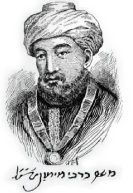
Among the wide-spectrum contribution of the Rambam – the Maimonides – in philosophy to the word and to Judaism are his ideas on the body and on the soul and on the relations between them. His major approaches in these subjects are the following: 1) The body is the home of the soul, and the soul guides the body. That means the body and the soul are one unit. 2) The soul has five virtual parts. Each part is responsible for another activity in the human being. 3) Except for the treatment of diseases of the body and the soul with drugs, foods, physical exercise, etc., the Rambam believes that maintaining the health – of the body and of the soul – lies first of all, and probably exclusively, in observing the commandments and improving one’s ways, morals and conduct up to their highest levels, toward all of the world’s creatures. 4) The Rambam is of the opinion that one needs to persist in learning the Torah. One should worship God with awe and love and observe good values and virtues. All of these build the frameworks that maintain mental health and strengthen man’s abilities to develop skills for maintaining bodily health. This is so because body and soul are one – which is the basis of the Rambam’s philosophy of health and medicine.
Successful deceased organ donation requires a reproducible—consistent (scientific) system that eva-luates the potential for organ donation and determines objectively whether the national system is achieving its goals. The science of organ donation also pertains to the determination of death. We are a common humanity that dies similarly— a humanity whose ultimate criterion of life resides in the function of the human brain. The recent brain death law of Israel encouragingly enables a determination of death by the loss of neurologic function but it has become complicated by a practice that may perpetuate societal misperceptions. As a result opportunities for deceased organ donation --to provide for Israelis in need of organ transplants are being lost. A statured task force of society could be assembled to convey its support for deceased donation to influence society and resolve these misperceptions.
The World Health Organization is now calling for each member state to achieve a self-sufficiency in organ donation and transplantation "equitably meeting the transplantation needs of a given population using resources from within that population". Patients should not be compelled to go to foreign countries for their organs. Israel has been a leader in the development of a model program intended to address transplant tourism. Insurance companies are no longer permitted to provide resources for Israelis to undergo illegal transplants in foreign destinations. The social necessity of a scientifically and medically applied system of deceased organ donation is now evident so that a sufficient number of organs can be available for patients from within the country they reside.
This manuscript is a survey of the halachic attitudes toward organ transplant procedures from a living donor which can be defined as life-saving procedures for the recipient or at least life-prolonging proce-dures. Three fundamental problems concerning the halachic aspects of such transplantation are dis-cussed in detail: the danger to the donor, donation under coercion, and the sale of organs and tissues. The terms “halacha” and “Jewish law” are defined in the introduction.
This paper examines the morality of schemes of payment to live donors/sellers of organs for transplantation. Following empirical and historical evidence it is argued that consent to sell organs is substantially different from consent to ordinary business transactions and that legalization of exchanges of organs with financial benefits deviates significantly from the scope of liberal toleration and human rights. Although altruistic giving is commendable, it is immoral for society to benefit from them without conferring to the donors benefits such as health and nursing insurance for life. Non-alienable and non-fungible benefits of this kind are moral as incentives to organ donation/giving
Organ transplantation has progressed tremendously with improvements in surgical methods, organ preservation, and pharmaco-immunologic therapies and has become a critical pathway in the management of severe organ failure worldwide. The major sources of organs are deceased donors after brain death; however, a substantial number of organs come from live donations, and a significant number can also be obtained from non-heart-beating donors. Yet, despite progress in medical, pharmacologic, and surgical techniques, the shortage of organs is a worldwide problem that needs to be addressed internationally at the highest possible levels. This particular field involves medical ethics, religion, and society behavior and beliefs. Some of the critical ethical issues that require aggressive interference are organ trafficking, payments for organs, and the delicate balance in live donations between the benefit to the recipient and the possible harm to the donor and others. A major issue in organ transplantation is the definition of death and particularly brain death. Another major critical factor is the internal tendency of a specific society to donate organs. In the review below, we will discuss the various challenges that face organ donation worldwide, and particularly in Israel, and some proposed mechanisms to overcome this difficulty.