Intelligent Design (ID) burst onto the scene in 1996, with the publication of Darwin’s Black Box by Mi-chael Behe. Since then, there has been a plethora of articles written about ID, both pro and con. How-ever, most of the articles critical of ID deal with peripheral issues, such as whether ID is just another form of creationism or whether ID qualifies as science or whether ID should be taught in public schools. It is our view that the central issue is whether the basic claim of ID is correct. Our goal is fourfold: (I) to show that most of the proposed refutations of ID are unconvincing and/or incorrect, (II) to describe the single fundamental error of ID, (III) to discuss the historic tradition surrounding the ID controversy, showing that ID is an example of a “god-of-the-gaps” argument, and (IV) to place the ID controversy in the larger context of proposed proofs for the existence of God, with the emphasis on Jewish tradition.
All possible pro and con arguments regarding the theory of evolution have been discussed and debated in the vast literature—scientific, religious, and lay—in the past 150 years. There is usually great zealotry in all debating parties, with mutual intolerance of ideas and concepts, disrespect toward opposing opi-nions and positions, and usage of very harsh language. This prejudiced approach usually does not allow for a reasonable debate. It is important to look at the facts, assumptions, and beliefs of the theory of evolution in a more calm and humble way.In this article a comparative analysis is offered between the scientific aspects of the theory of evolution and a Judaic approach to these aspects.The two sets of human thought—religion and science—are fundamentally different in their aims and purposes, in their methods of operation, in their scope of interest and issues, and in their origin and ramifications. Whenever science surpasses its limits, or religion exceeds its boundaries, it actually is a form of an abuse of both. This has happened to the theory of evolution in a more powerful mode than any other interaction between science and religion.The agenda of many scientists who promote the theory of evolution is to achieve the goal of under-standing the existence of the universe as a random, purposeless, natural development, evolved slowly over billions of years from a common ancestor by way of natural selection, devoid of any supernatural metaphysical power.Jewish faith perceives the development of the universe in a different way: God created the world, with a purpose known to Him; He established natural laws that govern the world; and He imposed a moral-religious set of requirements upon Man.The discussion and comparative analysis in this article is based upon the current neo-Darwinian theory, although it seems almost certain that even the new and modern assumptions and speculations will continue to be challenged, changed, and revised as new scientific information will be discovered.The theory of evolution is based upon certain facts, many assumptions, speculations, and interpreta-tions, and some fundamental non-evidence-based beliefs.
The closest living relatives of humans are their chimpanzee/bonobo (Pan) sister species, members of the same subfamily “Homininae”. This classification is supported by over 50 years of research in the fields of chimpanzee cultural diversity, language competency, genomics, anatomy, high cognition, psy-chology, society, self-consciousness and relation to others, tool use/production, as well as Homo level emotions, symbolic competency, memory recollection, complex multifaceted problem-solving capabili-ties, and interspecies communication. Language competence and symbolism can be continuously bridged from chimpanzee to man. Emotions, intercommunity aggression, body language, gestures, fa-cial expressions, and vocalization of intonations seem to parallel between the sister taxa Homo and Pan. The shared suite of traits between Pan and Homo genus demonstrated in this article integrates old and new information on human–chimpanzee evolution, bilateral informational and cross-cultural exchange, promoting the urgent need for Pan cultures in the wild to be protected, as they are part of the cultural heritage of mankind. Also, we suggest that bonobos, Pan paniscus, based on shared traits with Austra-lopithecus, need to be included in Australopithecine‟s subgenus, and may even represent living-fossil Australopithecines. Unfolding bonobo and chimpanzee biology highlights our common genetic and cul-tural evolutionary origins.
Complex disorders are common in the human population and are caused by interplay between genetic and environmental factors. Therefore the quest for the genetic basis of such disorders has much similar-ity to deciphering the genetic basis of macro-evolutionary processes, such as speciation. Here I discuss conceptual connections between the principles underlying and processes occurring in disease and evo-lution. Special focus is given to the tremendous mitochondrial genetic variability in the population and within individuals and the impact of both types of variability on evolutionary processes and diseases.
Parkinson’s disease (PD) and Alzheimer’s disease (AD) are severe neurodegenerative disorders, with no drugs that are currently approved to prevent the neuronal cell loss characteristic in brains of pa-tients suffering from PD and AD, and all drug treatments are symptomatic and monomodal in their action. Due to the complex pathophysiology, including a cascade of neurotoxic molecular events that result in neuronal death and predisposition to depression and eventual dementia, and etiology of these disorders, an innovative approach towards neuroprotection or neurorestoration (neurorescue) is the development and use of multifunctional pharmaceuticals which can act at different brain regions and neurons. Such drugs target an array of pathological pathways, each of which is believed to contribute to the cascades that ultimately lead to neuronal cell death. In this short review, we discuss examples of novel multifunctional ligands that may have potential as neuroprotective-neurorestorative therapeutics in PD and AD, some of which are under development. The compounds discussed originate from synthetic chemistry as well as from natural sources.
KEY WORDS: Rasagiline multimodal drugs, antiapoptotic, neuroprotection, neurorestoration, Parkinson’s disease, Alzheimer’s disease
Catheter ablation is a first-line treatment for many cardiac arrhythmias and is generally performed under X-ray fluoroscopy guidance. However, current techniques for ablating complex arrhythmias such as atrial fibrillation and ventricular tachycardia are associated with sub-optimal success rates and prolonged radiation exposure. Pre-procedure 3-D magnetic resonance imaging (MRI) has improved understanding of the anatomic basis of complex arrhythmias and is being used for planning and guidance of ablation procedures. A particular strength of MRI compared to other imaging modalities is the ability to visualize ablation lesions. Post-procedure MRI is now being applied to assess ablation lesion location and permanence with the goal of identifying factors leading to procedure success and failure. In the future, intra-procedure real-time MRI, together with the ability to image complex 3-D arrhythmogenic anatomy and target additional ablation to regions of incomplete lesion formation, may allow for more successful treatment of even complex arrhythmias without exposure to ionizing radiation. Development of clinical grade MRI-compatible electrophysiology devices is required to transition intra-procedure MRI from preclinical studies to more routine use in patients.
In Alzheimer’s disease (AD), premature demise of acetylcholine-producing neurons and the consequent decline of cholinergic transmission associate with the prominent cognitive impairments of affected individuals. However, the enzymatic activities of acetylcholinesterase (AChE) and butyrylcholinesterase (BChE) are altered rather late in the disease progress. This raised questions regarding the causal involvement of AChE and BChE in AD. Importantly, single nucleotide polymorphisms (SNPs), alternative splicing, and alternate promoter usage generate complex expression of combinatorial cholinesterase (ChE) variants, which called for testing the roles of specific variants in AD pathogenesis. We found accelerated amyloid fibril formation in engineered mice with enforced over-expression of the AChE-S splice variant which includes a helical C-terminus. In contrast, the AChE-R variant, which includes a naturally unfolded C-terminus, attenuated the oligomerization of amyloid fibrils and reduced amyloid plaque formation and toxicity. An extended N-terminus generated by an upstream promoter enhanced the damage caused by N-AChE-S, which in cell cultures induced caspases and GSK3 activation, tau hyperphosphorylation, and apoptosis. In the post-mortem AD brain, we found reduced levels of the neuroprotective AChE-R and increased levels of the neurotoxic N-AChE-S, suggesting bimodal contribution to AD progress. Finally, local unwinding of the α-helical C-terminal BChE peptide and loss of function of the pivotal tryptophan at its position 541 impair amyloid fibril attenuation by the common BChE-K variant carrying the A539T substitution, in vitro. Together, our results point to causal yet diverse involvement of the different ChEs in the early stages of AD pathogenesis. Harnessing the neuroprotective variants while reducing the levels of damaging ones may hence underlie the development of novel therapeutics.
KEY WORDS: Acetylcholinesterase, Alzheimer’s disease, apoptosis, beta-amyloid, butyrylcholinesterase
Aortic valve replacement (AVR) is a treatment of choice for patients with symptomatic severe aortic stenosis (AS). However, a significant proportion of these patients do not undergo surgical AVR due to high-risk features. Transcatheter aortic valve implantation (TAVI) has emerged as an alternative for patients with severe AS who are not candidates for open-heart surgery. Since the introduction of TAVI to the medical community in 2002, there has been an explosive growth in procedures. The balloon-expandable Edwards SAPIEN valve and the self-expanding CoreValve ReValvingTM system contribute the largest patient experience with more than 10,000 patients treated with TAVI to date. Clinical out-comes have stabilized in experienced hands, with 30-day mortality less than 10%. Careful patient selection, growing operator experience, and an integrated multidisciplinary team approach contribute to notable improvement in outcomes. In the first randomized pivotal PARTNER trial, in patients with severe AS not suitable candidates for surgical AVR, TAVI compared with standard therapy, significantly improved survival and cardiac symptoms, but was associated with higher incidence of major strokes and major vascular events. The results of randomized comparison of TAVI with AVR among high-risk patients with AS for whom surgery is a viable option are eagerly awaited to provide further evidence on the applicability of TAVI in these patients.
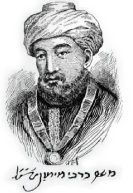
Moses Maimonides, the illustrious medieval rabbi and philosopher, dedicated the last decade of his life primarily to medicine. His strong interest in medicine was an integral component of his religious-philosophical teachings and world view. In this paper various sources from his rabbinic writings are presented that explain Maimonides’ motivation regarding and deep appreciation for medicine: (A) The physician fulfills the basic biblical obligation to return lost objects to their owner, for with his knowledge and experience the physician can restore good health to his sick fellow human being; (B) medicine provides a unique opportunity to practice imitatio dei, as it reflects the religious duty to maintain a healthy life-style; (C) as an important natural science, medicine offers tools to recognize, love and fear God. These three aspects address man’s relationship and obligation towards his fellow man, himself and God. Biographical insights supported by additional sources from Maimonides’ writings are discussed.
The contributions of Jewish American surgeons in the nineteenth and early twentieth century at a time in which prejudice against ethnic and religious minorities was commonplace in the United States are detailed. The contributions of Jewish American surgeons and the positions they attained subsequent to a change in attitude toward religious minorities in the United States are presented as a comparison.